Corporate offsite or team-building day
Colleagues from different functions tackle a shared challenge and try out unfamiliar roles. The debrief gives them a chance to discuss how their agreements and decisions affected the team's result.
I run the Beer Game for corporate teams. In this tabletop simulation, participants manage orders and inventory and see how their decisions ripple across a supply chain.
Discuss a workshop →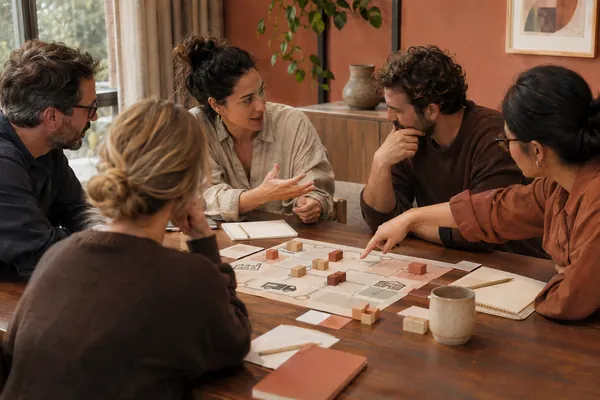
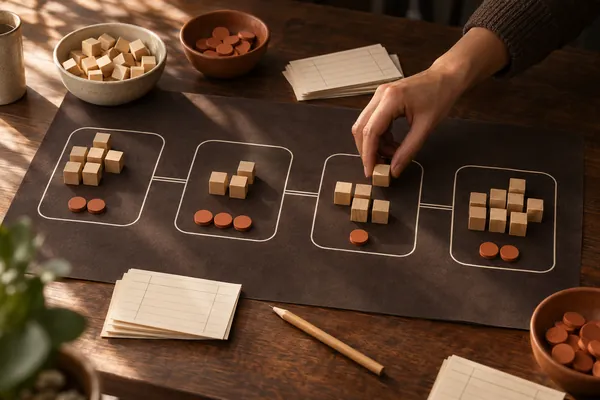
Participants take different roles in the same supply chain. I set customer demand at the retailer. In each round, players place orders and ship stock while allowing for delays in both orders and deliveries.
Takes orders from the distributor, decides how much to produce and ships finished goods. It accounts for production lead times and batches already in progress.
Orders from the manufacturer and supplies the wholesaler. It keeps stock on hand so it can continue shipping while the next batch is in transit.
Fills the retailer’s orders from stock and orders replenishment from the distributor. It balances new orders with any backlog.
Receives orders directly from customers and requests replenishment from the wholesaler. It sees changes in demand first and passes that signal upstream.
The team has a shared goal: fulfill as many orders as possible while keeping inventory in check. After the game, we compare decisions across the four stages and look at where shortages and excess stock developed.
The workshop is based on a simulation developed at MIT. Read about the simulation at MIT Sloan.
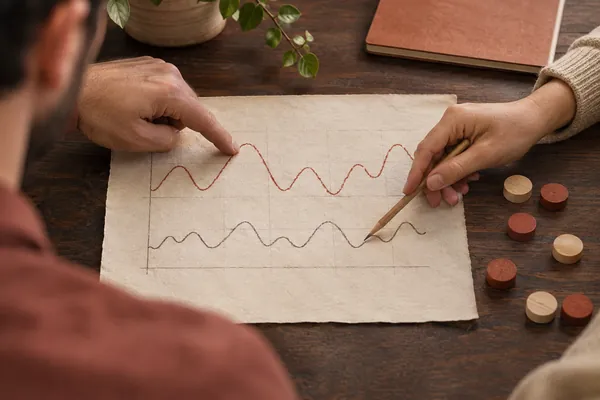
A small shift in customer demand can lead to progressively larger swings in orders as they move from the retailer to the manufacturer. This is the bullwhip effect.
Imagine that a retailer sells 12 units instead of its usual 10 and orders 16 from the wholesaler to rebuild stock. The distributor sees a larger order from the wholesaler and adds a buffer of its own. While deliveries are still in transit, each stage may order more. When those shipments arrive, shortages give way to excess inventory.

The Beer Game fits into a corporate offsite, team day or departmental event. Set aside 3–4 hours for the game and debrief. After the simulation, we discuss which situations feel familiar and what the team could change in its day-to-day work.
Colleagues from different functions tackle a shared challenge and try out unfamiliar roles. The debrief gives them a chance to discuss how their agreements and decisions affected the team's result.
On a team day for logistics, procurement, production or sales, the game lets participants see their work from another department's perspective. For example, they can explore how a last-minute order change affects replenishment and shipment timing.
Specialists and managers see how delays and incomplete information shape decisions. After the game, they can discuss which demand, inventory and supply data to share with colleagues and when.
I’m happy to work with universities and instructors. I run the Beer Game for student groups free of charge. It can be part of a logistics, supply chain or operations management course, or a standalone student event.
Discuss a student workshop →Tell me your city, estimated group size and what you’d like to work on. We’ll discuss dates and format. For corporate workshops, we’ll also discuss pricing.